
Traditional Hot Mixed Lime Mortar for Heritage Buildings
Historic buildings require materials that behave differently from modern construction products. Stone walls, lime plasters, and traditional masonry were designed to breathe, move, and release moisture naturally. Using modern cement-based materials on these structures often traps moisture and can accelerate deterioration.
For this reason, traditional **hot mixed lime mortar** has seen a strong revival in conservation and heritage work throughout the UK and Ireland.
What Is Hot Mixed Lime Mortar?
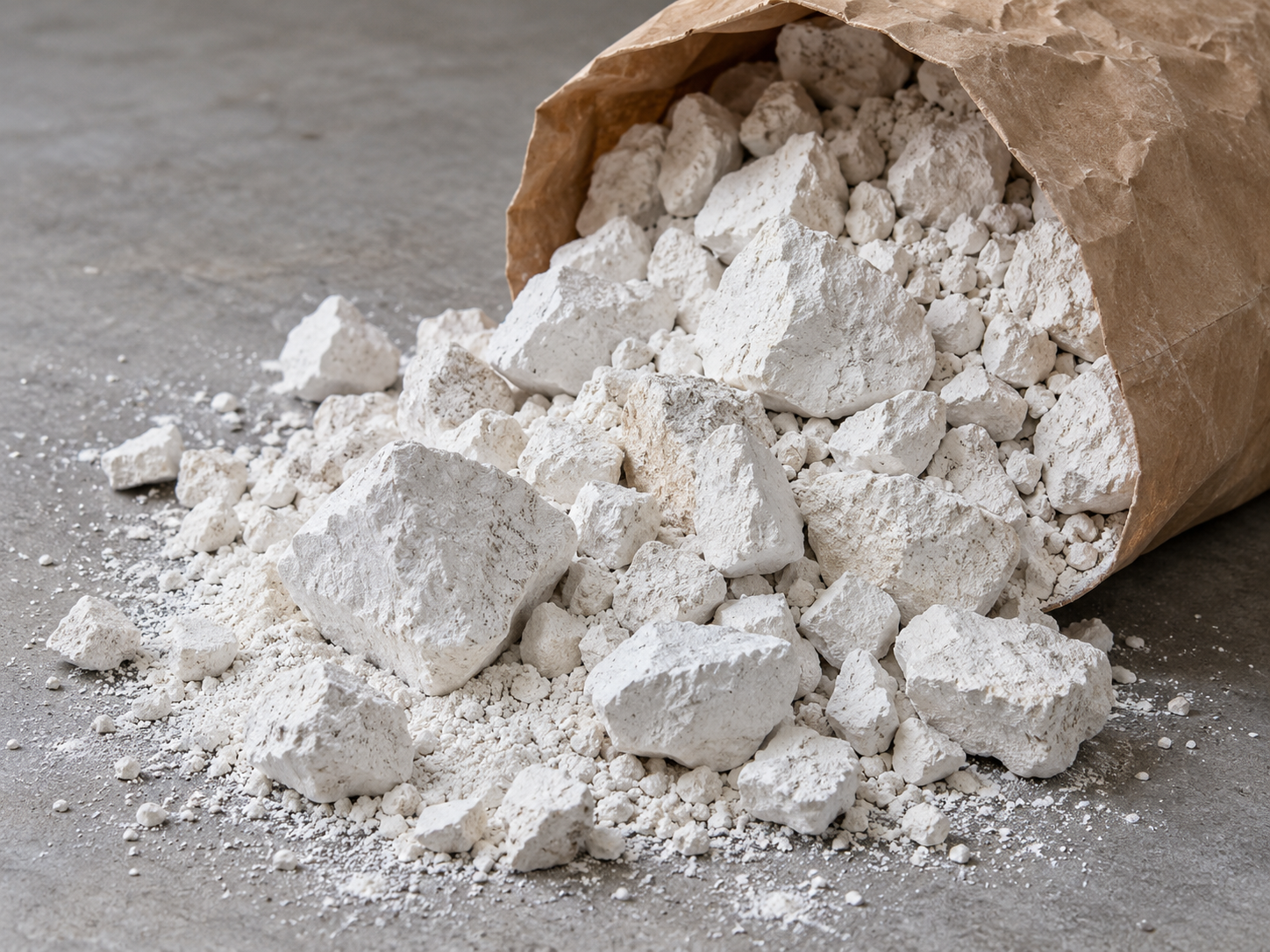
Hot mixed lime mortar is a traditional method where **quicklime (calcium oxide)** is mixed directly with damp sand and water on site. During mixing, the quicklime reacts with water in a process known as **slaking**, generating significant heat.
Unlike modern pre-bagged mortars, hot lime mixtures are produced fresh and used while still chemically active. This creates a mortar with excellent workability, strong adhesion, and exceptional vapour permeability.
The process has been used for centuries in:
* Historic stone buildings
* Lime plastering
* Traditional renders
* Repointing masonry
* Heritage conservation projects
---
Why Traditional Lime Matters in Old Buildings
Older buildings were not designed to work with rigid cement products.
Traditional lime systems allow walls to:
* Breathe naturally
* Release trapped moisture
* Accommodate slight movement
* Reduce the risk of trapped damp and spalling stone
Modern cement mortars can be too hard and impermeable for traditional masonry, often causing:
* Moisture retention
* Cracked stone faces
* Salt damage
* Internal damp issues
Hot mixed lime mortar remains one of the most compatible systems for traditional structures.
The Traditional Hot Lime Process
The classic process typically involves:
1. Damp sand prepared in advance
2. Quicklime added to the sand
3. Water introduced gradually
4. Controlled slaking reaction
5. Thorough mixing and maturation
6. Application to masonry or plaster work
In some traditional methods, layers of sand and quicklime are banked in timber boxes or pits and allowed to mature overnight before use.
This produces a highly workable mortar with a distinctive “fat” consistency valued by traditional plasterers and masons.
---
Hot Mixed Lime vs Lime Putty
Both hot mixed lime and lime putty systems are traditional approaches, but they produce different finishes and suit different applications.
Hot Mixed Lime
Best suited for:
* Stone masonry
* Backing coats
* Traditional pointing
* Historic structural repairs
Characteristics:
* More traditional texture
* Strong hand-crafted appearance
* Excellent breathability
* Highly compatible with old stone walls
Lime Putty Systems
Best suited for:
* Fine finish coats
* Smoother heritage finishes
* Decorative lime plastering
Characteristics:
* Finer texture
* Creamier workability
* Easier to achieve smoother finishes
Many high-end heritage projects combine both systems:
* Hot mixed lime for structural and backing layers
* Lime putty skim coats for refined final finishes
---
Challenges with Traditional Lime Plaster
Traditional lime work is highly skilled.
Unlike modern gypsum plaster, lime:
* Requires careful moisture control
* Must be applied in thin coats
* Needs appropriate curing time
* Often retains subtle hand-crafted texture
Attempting to apply lime too thickly can result in:
* Cracking
* Uneven surfaces
* Slow curing
* Reduced durability
Proper substrate preparation and experienced application are essential.
Breathable Construction for Heritage Renovation
At Canghai Construction, we specialise in traditional and breathable construction methods for historic and heritage properties throughout the UK and Ireland.
Our work includes:
* Lime plaster systems
* Heritage wall repairs
* Traditional pointing
* Breathable insulation strategies
* Stone building restoration
* Conservation-focused renovation work
Every historic building behaves differently, and selecting the correct lime system is critical to achieving long-term performance while preserving the character of the property.
---
Final Thoughts
Traditional hot mixed lime mortar is not simply an old-fashioned material — it is part of a complete breathable building philosophy developed over centuries.
When correctly specified and applied, lime systems provide:
* Long-term compatibility with historic masonry
* Moisture management
* Flexible movement
* Authentic traditional finishes
For heritage buildings, choosing the correct lime approach can make the difference between preserving a structure properly and unintentionally damaging it with incompatible modern materials.