
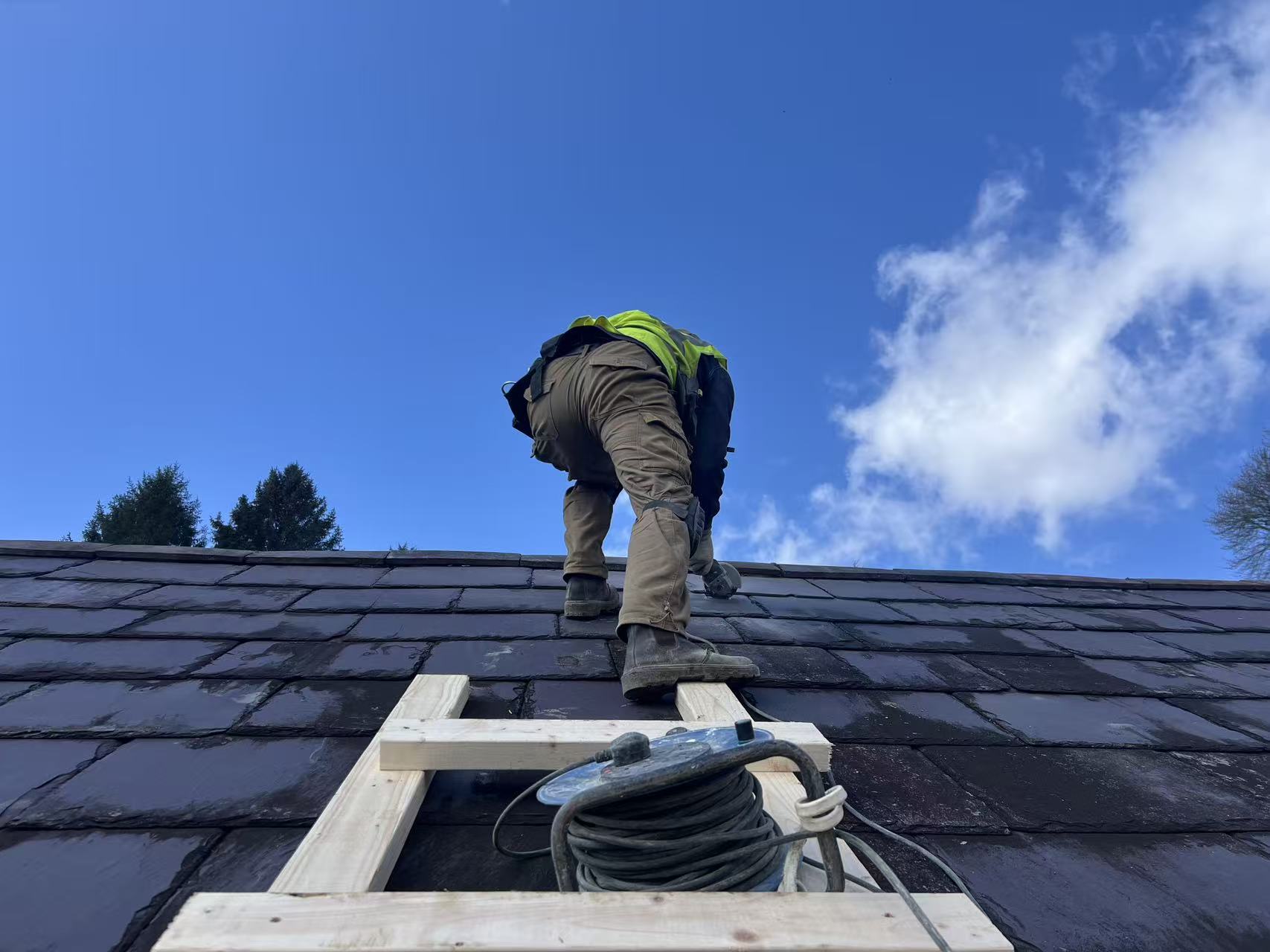
Soil Vent Pipe Installation Standards in the UK (Complete Guide for Builders & Homeowners)
In UK construction projects—whether residential renovations, extensions, or new builds—the soil vent pipe (SVP) is a critical component of the drainage system. Poor design or incorrect installation often leads to persistent odours, slow drainage, or costly remedial work.
This guide explains the UK standards, best practices, and common mistakes in soil vent pipe installation from a practical contractor’s perspective.
What Is a Soil Vent Pipe (SVP)?
A soil vent pipe serves two essential functions:
1. Ventilation
It allows foul gases (such as methane and hydrogen sulphide) to escape safely to the outside atmosphere.
2. Pressure Regulation
It balances air pressure within the drainage system, preventing:
- Loss of trap seals (water seals in basins, toilets, etc.)
- Gurgling sounds
- Poor drainage performance
???? In simple terms:
Without proper venting, a drainage system becomes unstable and prone to failure.
UK Regulations and Standards
Soil vent pipe installations in the UK must comply with:
- Building Regulations – Approved Document H (Drainage and Waste Disposal)
- BS EN 12056 (Gravity drainage systems inside buildings)
Key compliance requirements:
- Adequate ventilation must be provided
- Trap seals must be protected from pressure loss
- Foul air must not enter the building
Standard Installation Requirements
1. Pipe Diameter
Typical sizes used in UK projects:
- Main soil stack: 110mm (standard)
- WC connections: 100–110mm
- Basins/baths/showers: 32mm / 40mm / 50mm
???? Best practice:
Always use 110mm PVC-U for the main soil stack.
2. Vent Termination Above Roof Level


7
The SVP must terminate in open air, typically above roof level.
Key rules:
- Extend above roof level (commonly minimum 900mm)
- Must not be too close to openings:
- At least 3m horizontally from windows/openings
- Or 900mm above any nearby opening
Poor positioning leads directly to odour complaints inside the property.
3. Pipe Layout and Routing
Best practice principles:
- Keep the stack as vertical as possible
- Position near WC locations
- Minimise offsets and bends
Practical insight:
Every bend increases the risk of:
- Blockages
- Airflow restriction
- Maintenance issues
4. Falls on Horizontal Pipework
Recommended gradients:
- Ideal: 1:40
- Minimum: 1:80
Why it matters:
- Too flat → blockages
- Too steep → water outruns solids
5. Trap Protection
Every fixture must have a trap (water seal).
To prevent siphoning:
- Use proper venting
- Install anti-siphon measures where required
Air Admittance Valves (AAV)


8
An Air Admittance Valve (AAV) allows air into the system but prevents foul air from escaping.
When to use AAV:
- Retrofit or renovation projects
- When routing a vent through the roof is impractical
- Internal soil stacks
Important limitations:
- An AAV cannot fully replace a vent to atmosphere
- At least one main stack should vent externally
???? In older buildings (common in UK & Ireland projects):
A combination of external SVP + internal AAVs is often the most practical solution.
Common Installation Mistakes
❌ No proper ventilation
Using only AAVs without an external vent
❌ Incorrect termination location
Too close to windows or openings
❌ Wrong pipe size
Using undersized pipe for WC connections
❌ Poor pipe gradient
Leading to blockages or inefficient flow
❌ Excessive bends
Too many 90° fittings without access points
❌ Lack of access for maintenance
No rodding points or inspection access
❌ Structural issues
Cutting through beams or walls without proper consideration
Particularly critical in older or heritage buildings
Practical Recommendations (Contractor Insight)
1. Use External Soil Stacks Where Possible
- Cleaner internal finish
- Easier maintenance
- Reduced risk of leaks inside the building
2. Approach for Renovation Projects
- Minimise structural disturbance
- Combine:
- External stack for main venting
- AAVs for secondary ventilation
3. Coordinate Early
Ensure alignment between:
- Plumber
- Builder
- Architect
Poor coordination = expensive rework
4. Provide Access Points
- Install rodding access at key locations
- Especially at changes in direction
Conclusion
A properly installed soil vent system is not just about drainage—it is about:
Creating a stable, odour-free, and compliant plumbing system
Key takeaways:
- Always provide a true vent to atmosphere
- Use correct pipe sizes (110mm for soil stacks)
- Maintain proper falls (1:40 recommended)
- Minimise bends and complexity
- Use AAVs correctly—but never as a full replacement
Planning a Project?
If you are working on:
- House extensions
- Renovations
- Commercial fit-outs
It is essential to plan your drainage and venting system from the early design stage.
Mistakes in SVP installation are often hidden—but extremely expensive to fix later.